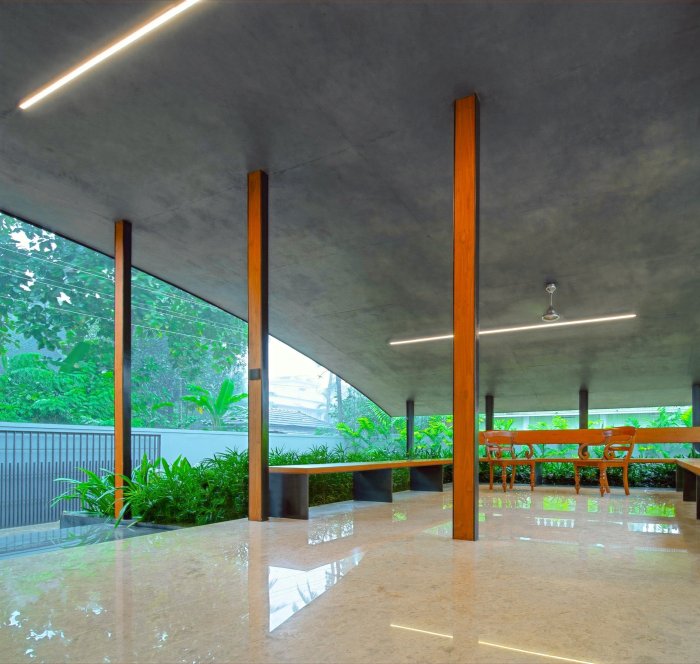
Curved architectural roofing offers a unique and captivating approach to modern design that transcends traditional roofing methods. This innovative style not only enhances the aesthetic appeal of structures but also plays a significant role in improving energy efficiency and structural integrity. By utilizing a variety of materials and techniques, curved roofs have become prominent features in iconic buildings around the world, capturing the interest of architects, builders, and homeowners alike.
As we explore the world of curved architectural roofing, we will delve into its numerous benefits, installation techniques, maintenance practices, and how it can be integrated into home improvement projects. With the rising trend of sustainable design and advanced construction technologies, curved roofing is poised to redefine the standards of architectural elegance.
Introduction to Curved Architectural Roofing
Curved architectural roofing has emerged as a significant trend in modern design, providing not just functional benefits but also aesthetically pleasing features. This approach to roofing allows architects and builders to create unique silhouettes that stand out in the urban landscape. By introducing curves, structures can harmonize better with natural surroundings, making them visually appealing and innovative.Common materials used in curved roofing structures include metal, fiberglass, and advanced polymer composites.
These materials are chosen for their flexibility, durability, and ability to withstand various weather conditions. Iconic buildings that feature curved roofing designs include the Guggenheim Museum in New York City, which showcases a spiral form, and the Sydney Opera House, with its sail-like roofs that define the city’s skyline.
Benefits of Curved Roofing
Incorporating curves into roofing designs offers numerous aesthetic advantages. The organic shapes create a sense of flow and movement, enhancing the visual impact of buildings. Beyond aesthetics, curved roofs provide significant energy efficiency benefits. Their shape can facilitate better air circulation and reduce heat buildup, leading to lower energy costs.Furthermore, curved roofing enhances structural integrity. The arch-like design distributes weight more evenly, which can lead to increased durability and a longer lifespan.
This structural advantage is particularly important in regions prone to severe weather conditions.
Installation Techniques for Curved Roofing
Installing curved roofing requires a careful, step-by-step approach. The process begins with planning and measuring the dimensions accurately. Once the design is finalized, the following steps are essential:
- Prepare the roof structure, ensuring it can support the curves.
- Cut the roofing materials to the necessary dimensions.
- Position the materials, ensuring they align with the intended curve.
- Secure the materials using appropriate fasteners and adhesives.
- Install any additional support structures needed for stability.
Proper alignment and support during installation are crucial to prevent structural issues later on. Utilizing jigs and templates can help maintain the necessary curvature throughout the installation process. Safety measures, such as harnesses and scaffolding, should also be taken into account to protect workers from potential falls or accidents.
Maintenance of Curved Roofing
Maintaining curved roofs requires specific practices to ensure their longevity. Regular inspections are critical for identifying potential issues early on, such as leaks or material wear. Key maintenance practices include:
- Cleaning debris and leaves to prevent water accumulation.
- Inspecting seals and joints for integrity.
- Applying protective coatings to enhance weather resistance.
Common issues that may arise with curved roofing include pooling water and material distortion due to temperature fluctuations. Addressing these issues promptly can prevent more extensive damage and costly repairs. Cleaning curved roofing surfaces might require specialized tools like soft brushes and pressure washers designed for gentle yet effective cleaning without damaging the material.
Curved Roofing in Home Improvement
Curved roofing can dramatically transform the overall look of a home, adding a modern touch that sets it apart from traditional designs. This architectural feature not only enhances curb appeal but can also increase property value. Additionally, the unique shape may influence home insurance and inspections, as insurers may consider the roof’s structural integrity and potential for weather-related damages.Examples of curved roofing in home renovation projects include contemporary homes that utilize curved metal roofs or architectural shingles designed to mimic curves.
These renovations often draw attention and admiration, showcasing the homeowner’s commitment to innovative design.
Comparison with Traditional Roofing
When comparing costs associated with curved roofing to traditional options, it’s essential to consider the long-term benefits. While initial costs may be higher due to specialized materials and labor, curved roofs often yield savings through energy efficiency and reduced maintenance costs. Design flexibility is another significant difference, with curved roofs allowing for more creative shapes and configurations compared to flat roofs.Advantages of using curved roofing include unique aesthetic appeal and improved structural performance, while potential disadvantages may involve higher upfront costs and the need for specialized installation skills.
Understanding these factors can help homeowners and builders make informed decisions.
Feng Shui and Curved Roofing
Curved roofing can positively influence Feng Shui principles in home design. The curved shapes are believed to promote better energy flow within the living space, creating a harmonious environment. Roof shapes can affect not just aesthetics but also the overall energy dynamics of a residence.Integrating Feng Shui concepts with curved architectural roofing involves considering the placement and angle of the curves to enhance natural light and airflow.
Homeowners looking to incorporate these principles can consult with Feng Shui experts to optimize their designs for improved energy flow and tranquility.
Innovative Trends in Curved Roofing
Emerging trends in the design and construction of curved roofing are increasingly influenced by technology and sustainability. Advancements in materials, such as lightweight composites and energy-efficient coatings, are shaping modern curved roofing designs. These innovations enable architects to create even more ambitious and sustainable structures.Sustainability is a driving factor in the future of curved roofing designs, with a focus on environmentally friendly materials and energy-efficient systems.
As the architectural landscape evolves, we can expect to see more creative uses of curves that align with eco-conscious principles.
Tools and Equipment for Curved Roofing Projects
Essential tools for working on curved roofing installations include:
- Curved cutting tools, such as saws designed for specific materials.
- Measuring equipment for precise alignment.
- Fastening tools, including nail guns and adhesives specific for curved applications.
Choosing the right equipment for specific tasks is vital for achieving the best results. Additionally, workers should wear appropriate safety gear, such as helmets, gloves, and fall protection harnesses, when handling materials and working at height.
Case Studies of Curved Roofing Applications
Several case studies illustrate the successful application of curved roofing in both residential and commercial projects. For instance, the Eden Project in Cornwall, UK, features geodesic domes with a unique curved roof design, enhancing its eco-friendly mission while creating an iconic structure.Design challenges often arise, such as maintaining structural integrity and ensuring proper drainage. Solutions included innovative engineering techniques and careful material selection.
Feedback from homeowners and architects has been overwhelmingly positive, highlighting the visual appeal and functional benefits of curved roofing in their projects.
Epilogue
In conclusion, curved architectural roofing stands at the intersection of artistry and functionality, making it a popular choice for contemporary projects. Its ability to blend aesthetic charm with practical benefits like energy efficiency and enhanced structural strength makes it a compelling option for homeowners and architects alike. As we move forward, embracing innovative trends and sustainable practices will only further elevate the impact of curved roofing on the architectural landscape.
General Inquiries
What are the common materials used in curved architectural roofing?
Common materials include metal, fiberglass, and various types of membranes that offer flexibility and durability.
How does curved roofing enhance energy efficiency?
Curved roofs can improve airflow and reduce heat absorption, leading to lower energy costs for heating and cooling.
What are the key installation techniques for curved roofing?
Proper alignment, support structures, and using flexible materials are essential for a successful installation.
What maintenance practices are necessary for curved roofs?
Regular inspections, cleaning of debris, and addressing leaks promptly are vital for preserving curved roofs.
Can curved roofing be used in residential homes?
Yes, many homeowners are incorporating curved roofing in renovation projects to add unique architectural features.


